

Author: Cavender Ford of OKC
Welcome, Oklahoma City drivers! This guide is crafted just for you, taking into account the unique driving conditions and climate you face in our vibrant community. Whether you're commuting along I-44, navigating the busy streets of downtown, or heading out to Yukon, Piedmont, or Edmond, understanding the right maintenance for your Ford is essential. With decades of trusted service experience at Cavender Ford of OKC, we’re here to help you tailor your vehicle’s maintenance schedule to suit our local roads and weather patterns, ensuring your Ford runs reliably for years to come.
Why Should You Follow a Maintenance Schedule for Your Ford?
Adhering to a maintenance schedule is crucial for protecting your investment in your Ford and ensuring its reliability in Oklahoma's unique driving conditions. The intense summer heat can cause fluids to break down faster, while the high humidity and abundant pollen can clog filters and affect engine performance. Regularly scheduled maintenance helps mitigate these local environmental challenges, allowing your vehicle to perform optimally during trips across Oklahoma City and beyond.
By sticking to your maintenance schedule, you're not just preventing potential breakdowns; you're enhancing your Ford's performance, fuel efficiency, and safety on the road. For instance, a well-maintained F-150 is equipped to handle your weekend trips to Lake Hefner, while an Escape ensures efficient daily commutes along I-44. This proactive approach gives you peace of mind, knowing your vehicle is ready for anything, from a quick jaunt down Broadway Avenue to navigating the busy streets of Downtown OKC. For more insights on vehicle care, resources like Edmunds offer a wealth of information.
How Does Ford’s Service Reminder System Work?
Many Ford vehicles provide reminders for upcoming maintenance based on either time or mileage, or they may adjust depending on how the vehicle is used, depending on the model and equipment. This system aims to help drivers stay on top of necessary service, ensuring their vehicles remain in optimal condition.
When maintenance is approaching, drivers typically see a dashboard message, a service indicator such as a wrench light, a maintenance reminder, or an oil-life percentage. The specific alerts and their timing can vary across different models and years, so it’s important to consult the owner's manual for details. Additionally, local driving habits around Oklahoma City, such as frequent short trips, stop-and-go traffic on NW Expressway, towing during weekends, or dealing with temperature swings, can influence how often maintenance is needed.
What Does the Primary Service Reminder Mean?
Understanding your vehicle's primary service reminder is essential for maintaining its performance and reliability. This reminder serves as a general alert indicating that scheduled maintenance is either due or approaching. Depending on the vehicle, it may present as a simple warning light or message, while others might provide more detailed information through a maintenance menu or display. Since the specifics can differ among various models and years, consulting your owner’s manual or the in-vehicle maintenance screen is the best way to find out what services are required.
Primary reminder: This signal prompts you to check your vehicle’s scheduled maintenance guidelines and prepare for service. It typically indicates that maintenance is due, without always detailing each specific task involved.
Additional details (if shown): In some vehicles, you may see extra information such as a maintenance percentage, descriptive messages, or symbols that clarify what needs your attention. If your vehicle displays these additional details, use them alongside your owner’s manual to confirm the necessary services.
What Do Additional Service Indicators Mean?
Many vehicles offer additional details beyond the primary service reminder, which can manifest as extra items, symbols, or menu entries. These indicators assist in pinpointing the type of service needed, but their meanings can vary by vehicle. Always refer to your owner’s manual or vehicle display for precise information.
- Tire rotation: Regular tire rotation is important for vehicle maintenance.
- Engine and cabin air filters: These filters may require more frequent replacement in dusty or pollen-heavy areas.
- Transmission fluid: Some vehicles include transmission fluid service in their maintenance schedule.
- Spark plugs and valve clearance check (when applicable): Spark plug replacements are part of many engines' maintenance intervals.
- Engine coolant: This fluid helps manage engine temperature.
- Rear differential fluid (AWD/4WD, if equipped): Vehicles with all-wheel drive may require differential fluid service.
- Brake fluid: Brake fluid maintenance is important for vehicle safety.
What is a Typical Ford Service Schedule for Oklahoma City Drivers?
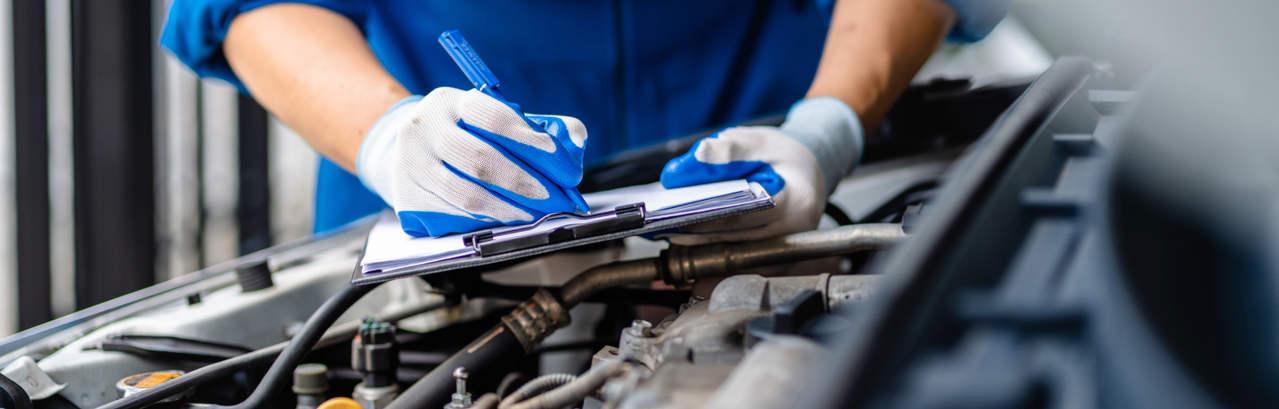
Understanding the typical service schedule for your Ford can be incredibly helpful, even if your vehicle has service reminders or maintenance menus. This outline serves as a useful reference alongside your owner’s manual and any in-vehicle guidance, if available. It takes into account common driving conditions in Oklahoma City, ensuring you can anticipate important service intervals.
What Services Are Needed in the First 30,000 Miles?
During the initial 30,000 miles of ownership, most drivers focus on essential services like routine oil changes, tire rotations, and maintaining clean filters. The specific timing for these services can vary based on your Ford model, driving habits, and the guidelines provided in the owner’s manual.
Oil service: For instance, if you frequently drive in stop-and-go traffic on roads like NW 23rd Street or Memorial Road in Oklahoma City, you might find that your oil service needs occur more often than if you primarily drive on highways.
Tires and filters: Early on, tire rotations are commonly performed at regular intervals to ensure even wear. Additionally, engine and cabin air filters should be monitored closely. In areas like Yukon and Edmond, where dust and pollen levels can be higher, these filters may need to be replaced more frequently, depending on local environmental conditions.
What Maintenance Should Be Done Between 30,000 and 60,000 Miles?
Between 30,000 and 60,000 miles, maintenance often shifts from basic upkeep to safeguarding key systems through more involved fluid services and regular inspections. The specifics can vary widely based on your Ford model, powertrain, and driving style, so it's essential to consult your owner’s manual and any in-vehicle maintenance alerts for tailored guidance.
Transmission fluid service: It's often recommended to address transmission fluid around this mileage, particularly for vehicles that frequently navigate stop-and-go traffic or undertake short trips. For instance, if you're driving along NW Expressway or Memorial Road during rush hour, your transmission might be working harder, making fluid maintenance crucial for smooth shifting and long-term reliability.
Brake fluid, brakes, and tires: Regular brake and tire inspections become increasingly vital in this range, especially for drivers who tackle the mixed-speed conditions of Oklahoma City roads like Shields Boulevard and I-40. Keeping your brakes and tires in top shape ensures safe and predictable handling. For reliable vehicle ratings and owner experiences, consider checking Consumer Reports.
What Major Services are Required Approaching 100,000 Miles?
As your Ford vehicle approaches the 100,000-mile mark, it's common to encounter several significant maintenance tasks that can enhance its longevity and performance. The specific services needed can vary widely based on the model and engine type, so always refer to your owner’s manual and in-vehicle maintenance alerts for precise guidance.
Spark plugs: For many Ford models, replacing spark plugs is often recommended around this mileage. Fresh spark plugs contribute to smoother engine operation, improved fuel efficiency, and reliable starts, especially as wear and tear accumulate over years of driving in Oklahoma City's diverse conditions.
Timing belt (if equipped) and coolant service: Certain older Ford engines may be equipped with a timing belt that should be replaced at specific intervals, while many modern engines use a timing chain that typically doesn't require routine replacement. Additionally, a coolant flush or replacement is often advised to protect the cooling system from corrosion and maintain optimal performance. Staying on top of these services not only supports your vehicle's reliability but also enhances its resale value—check out Kelley Blue Book for insights on how proper maintenance can influence long-term value.
Why is Local Expertise Important for Servicing Your Ford?
When it comes to servicing your Ford in Oklahoma City, having a team that understands the local landscape is invaluable. The hot summers can put extra strain on your vehicle’s A/C and coolant systems, while the humidity may accelerate wear on rubber components. Additionally, the clay-rich soil around the area can cause unique issues with suspension and alignment due to the uneven roads and potholes prevalent in neighborhoods like Capitol Hill and Lincoln Terrace. Our technicians are trained to spot these region-specific wear patterns, ensuring your Ford is always ready for the challenges of local driving conditions.
For drivers navigating the heavy traffic on Broadway Avenue or the I-44/I-40 interchange, understanding local traffic patterns is essential for maintaining vehicle performance. Our knowledgeable team keeps an eye out for signs of excessive brake wear and engine stress, which can be more common in stop-and-go conditions. For further information on vehicle safety and maintenance, check out the National Highway Traffic Safety Administration (NHTSA) resources and your Ford owner's manual for specific care guidelines.
Frequently Asked Questions (FAQs)
How often should I really change my oil given Oklahoma City's climate?
The best source for oil change intervals is your vehicle's service reminder or owner's manual, as these can vary based on driving conditions and habits. In Oklahoma City, hot summers typically suggest more frequent oil changes, depending on the oil type and vehicle model.
Are all-season tires sufficient for driving around Oklahoma City?
High-quality all-season tires are generally adequate for most of the year in Oklahoma City, where you encounter both wet roads and the occasional winter weather. Consider switching to winter tires if you frequently drive in icy conditions.
Does commuting on local highways affect my service intervals?
Yes, it can impact service needs. Stop-and-go traffic can put extra strain on your engine and brakes, which may lead to more frequent service reminders compared to steady highway driving.
With the seasonal pollen, how often should I replace my cabin air filter?
It's wise to inspect your cabin air filter annually, especially after the spring pollen season. Regular replacement helps keep the air fresh and the A/C system running smoothly.
Is all-wheel drive (AWD) beneficial for driving in Oklahoma?
AWD can be advantageous, especially during sudden rainstorms that can hit Oklahoma City. It enhances traction and control on wet roads, providing extra confidence whether you're navigating local streets or highways.
What maintenance schedule should I follow for older vehicles without a service reminder system?
For older models, it's generally recommended to follow the service intervals in your owner's manual for maintenance tasks like fluid changes and filter replacements.
About Cavender Ford of OKC
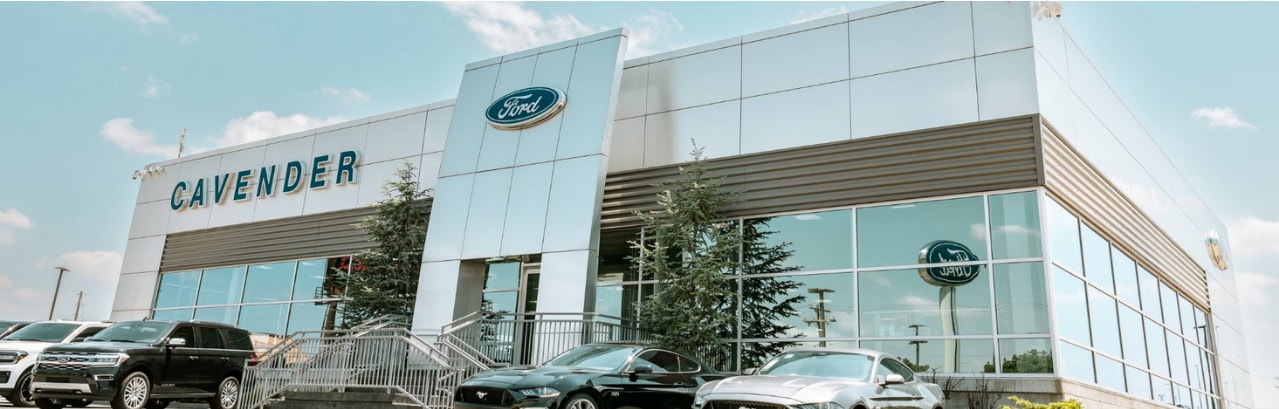
As a family-owned and operated dealership, Cavender Ford of OKC is dedicated to serving the Oklahoma City community with integrity and a focus on customer satisfaction. Our long-standing commitment to building lasting relationships is reflected in our straightforward, transparent approach to sales and service. We believe in providing a world-class experience that makes you feel like part of our family, ensuring you receive exceptional care every time you visit.
Related Articles:
Oklahoma City Driver's Guide: How to Choose Your Ford Dealership
Categories:
Social